What is Sensory Processing Disorder in Children?
Sensory Processing Disorder in children affects how kids handle information from their senses. This means they may react too much or too little to sights, sounds, touch, taste, or movement. For example, some children may cover their ears at loud noises, while others may not notice pain. Although many kids have sensory issues at times, Sensory Processing Disorder (SPD) is more severe and can impact daily life. Early signs of sensory processing disorder can appear in babies or toddlers, but sometimes they are easy to miss. In the US, many families seek help for sensory processing disorder to support their child’s growth.
Common Signs Parents Often Miss
Sometimes, sensory issues in kids are mistaken for behavior problems or shyness. However, certain signs may point to SPD. Parents should watch for these signs:
Additionally, some children may avoid hugs or, on the other hand, crave deep pressure. Because these signs can be subtle, they are often missed. Yet, noticing them early can make a big difference.
Causes and Risk Factors
Experts are still learning about the exact causes of Sensory Processing Disorder in children. However, research suggests several risk factors may play a role. For instance, children born early (premature) or with low birth weight may have a higher risk. Also, kids with autism or other developmental conditions often have sensory issues. Genetics may be involved, as SPD can run in families. Even so, SPD can affect any child, regardless of background. According to the CDC, early support can help children manage their symptoms better.
How Occupational Therapy (OT) Helps
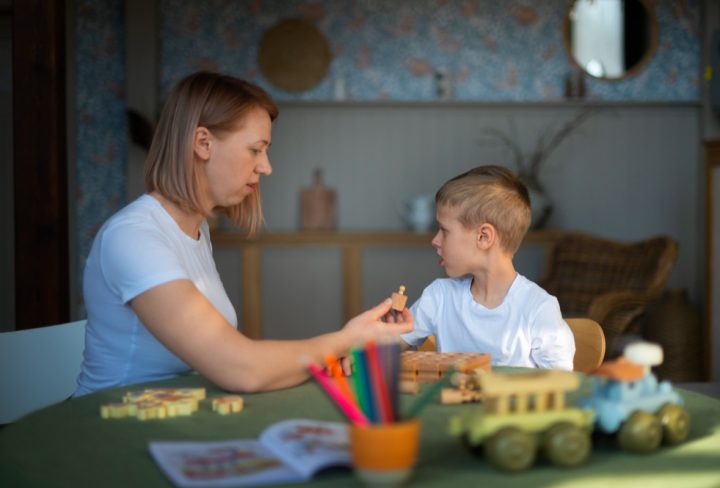
Occupational therapy for children is a proven way to help with sensory processing disorder. Occupational therapists (OTs) use fun, play-based activities to help kids respond better to sensory input. For example, they may use swings, textured toys, or obstacle courses. These activities help children learn how to handle sights, sounds, and touch in a safe way. Over time, OT can improve focus, self-care, and social skills. In many cases, families in the US find that OT gives their child more confidence and independence. Therefore, seeking help for sensory processing disorder early can lead to better outcomes.
Tips for Parents and Prevention
Parents can support children with sensory issues in many ways. Here are some helpful tips:
Although SPD cannot always be prevented, early support and understanding can help children thrive. Moreover, learning about sensory processing can help parents respond with patience and care.
When to Seek Professional Help
If you notice ongoing sensory issues in your child, it may be time to seek help. For example, if your child’s reactions make daily life hard or cause distress, talk to your doctor. Early signs of sensory processing disorder should not be ignored. A pediatric occupational therapist can assess your child and suggest the best plan. In addition, early intervention often leads to better progress. Remember, you are not alone—many families find support and answers through professional help.
For personalized guidance, consult a pediatric occupational therapist Dr Vinay Sharma.